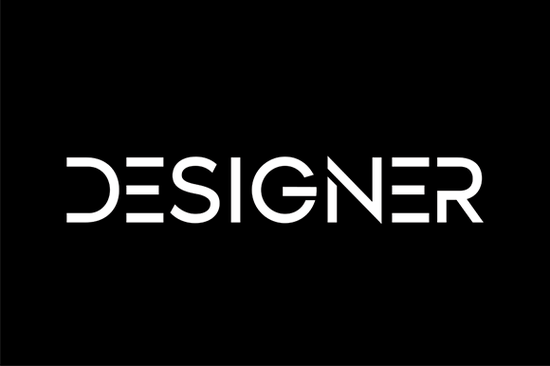
If you're looking for a display font that balances simplicity with personality, Designer is worth a closer look. It’s a clean, casual typeface that works well whether you’re designing a wedding invitation or labeling handmade soap bottles. The letterforms are neatly arranged without feeling stiff just enough character to stand out, but not so much that it overwhelms your layout.
What makes Designer especially useful is its versatility. Many display fonts lean heavily into one mood either playful or formal but this one sits comfortably in between. That flexibility is a big plus if you run a small business or sell print-on-demand products, where you often need fonts that adapt across different projects without losing cohesion.
When should you use the Designer font?
Display fonts like Designer shine in short-form applications where readability and visual impact matter more than long paragraphs. Think:
- Logo mockups and brand wordmarks
- Social media graphics and quote cards
- Product packaging labels (think candles, skincare, or boutique food items)
- Event flyers or digital invitations
- T-shirt or tote bag designs with minimal text
Because of its clean lines and open spacing, Designer remains legible even at smaller sizes though it’s still best reserved for headlines or accents rather than body copy.
How does it compare to other display fonts?
Not all display fonts offer the same balance. For example, if you’ve browsed Creative Fabrica’s collection, you might have come across options like the Welcome Christmas font, which leans festive and decorative, or the Retro Script font, which brings energetic, hand-drawn flair. Those work beautifully for specific themes, but they’re less adaptable for everyday branding.
In contrast, Designer avoids strong stylistic cues no exaggerated swashes, no holiday motifs, no pixelated edges like you’d find in something such as the Mario-inspired display font. Instead, it offers quiet confidence. If you’re building a brand identity that needs to feel modern but approachable, this kind of neutral-yet-distinctive typeface can be a reliable foundation.
For comparison, fonts like Cormorant Garamond bring classic serif elegance, while the Retro Kids font injects bold, youthful energy. Designer doesn’t compete with those it complements them. You might pair it with a serif for contrast or use it solo when you want your message to feel uncluttered and direct.
Tips for using Designer effectively
Even a versatile font benefits from thoughtful application. Here’s how to get the most out of it:
- Give it breathing room. Because Designer has subtle details, crowding it with too many elements can mute its effect. Use generous padding and whitespace.
- Stick to one or two weights. If the font family includes multiple styles (like regular and bold), avoid mixing more than two to keep your design cohesive.
- Pair it wisely. A simple sans-serif (like Helvetica or Inter) works well as a supporting font for captions or secondary info.
- Avoid overuse. Even though it’s understated, using Designer for every heading on a website or every product label can dilute its impact. Reserve it for moments that deserve emphasis.
Print-on-demand sellers, in particular, will appreciate how Designer photographs well its clean strokes translate clearly in product mockups, reducing the risk of blurry or muddy text on mugs, posters, or apparel.
Is this font right for your next project?
If your goal is clarity with a touch of warmth without leaning into trendiness or nostalgia then yes. Designer won’t shout, but it will speak clearly. That’s often exactly what small businesses and independent creators need: a font that supports their message instead of competing with it.
Before downloading, consider your project’s tone. If you’re designing a children’s birthday invite or a vintage poster, another option from Creative Fabrica’s library might serve you better. But for modern logos, minimalist packaging, or clean social assets, Designer delivers consistent, fuss-free results.
Next step: Before committing, test the font with your actual content. Type out your business name, a sample tagline, or product description in Designer and view it at real-world sizes. If it feels balanced and readable and doesn’t require extra tweaking to look “right” you’ve likely found a keeper.
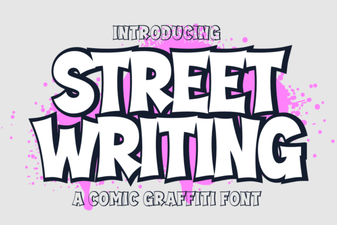 Urban Street Fonts for Graphic Design Projects
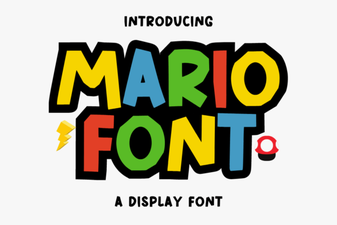 Creative Mario Font Design for Your Projects
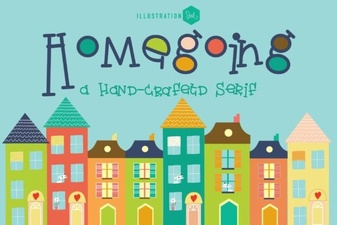 The Homegoing Font: a Typographic Beacon for Memories
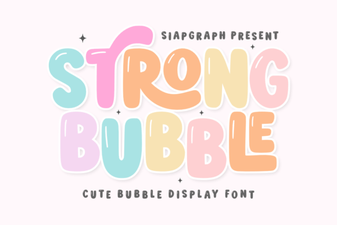 Bold Bubble Font Design Ideas for Your Projects
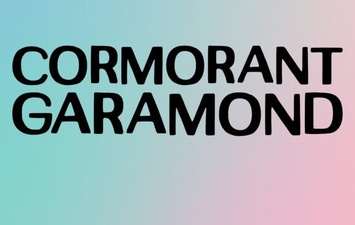 Using Cormorant Garamond for Modern Design Projects
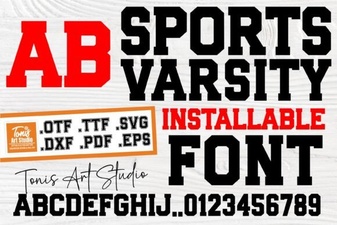 Varsity Fonts for Sports Branding & Design